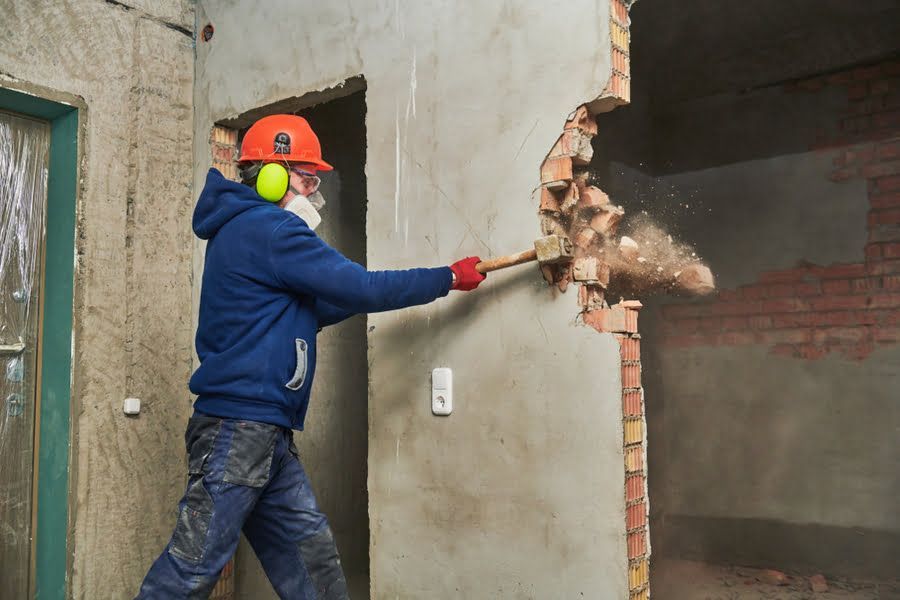
Selective demolition is one of the most misunderstood scopes in commercial construction. It looks simple — tear out the old stuff so the new stuff can go in. But done poorly, it creates cascading delays that affect every trade that follows.
Pre-Demo Planning Is Everything
Before a single wall comes down, the demolition scope needs to be clearly defined and coordinated with the design team, the owner, and the trades that follow. Key questions to answer before demo begins:
- What is being removed, and what is being retained?
- Are there any hazardous materials (asbestos, lead paint) that require abatement before demo?
- What are the structural implications of removing walls or ceilings?
- Where are the existing MEP systems, and which ones are live?
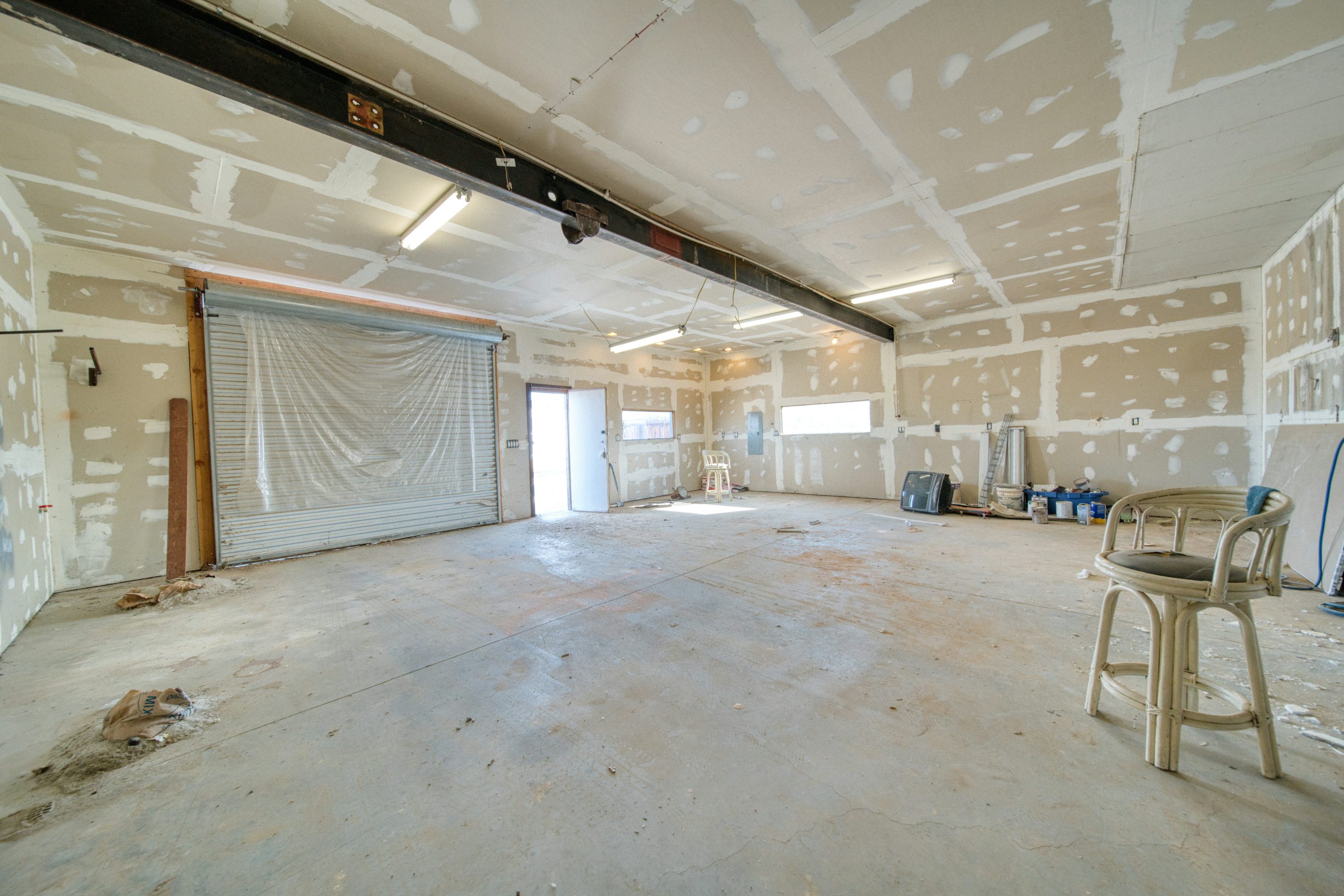
In commercial renovations, it's common to encounter conditions that weren't visible in the original drawings — hidden structural members, abandoned conduit, unexpected plumbing. A good demo crew identifies these conditions early and communicates them to the GC immediately, rather than working around them.
Hazardous Material Abatement
In Texas, any building constructed before 1980 may contain asbestos-containing materials (ACM). Before demolition begins on an older building, a licensed asbestos inspector should conduct a survey. If ACM is present, it must be abated by a licensed contractor before demo proceeds.
Lead paint is another common concern in older commercial buildings. Disturbing lead paint during demolition can create significant health and liability risks. Know what you're dealing with before the hammers come out.
Protecting What Stays
Selective demolition means removing some things while protecting others. This requires careful coordination and, often, temporary protection measures — dust barriers, floor protection, and careful sequencing to avoid damaging existing finishes, structure, or MEP systems that will remain in service.
Waste Management and Recycling
Commercial demolition generates significant waste. In Texas, landfill disposal costs have increased substantially in recent years, making recycling and salvage increasingly important for project economics. Concrete, metal, and clean wood can often be recycled or salvaged, reducing disposal costs and potentially generating some material credit.
At Brickment Solutions, we approach every demolition project with a clear scope, a coordinated plan, and a commitment to keeping the project moving. If you're planning a commercial renovation in Texas, let's talk about how we can help.